
What Does NANI Mean?
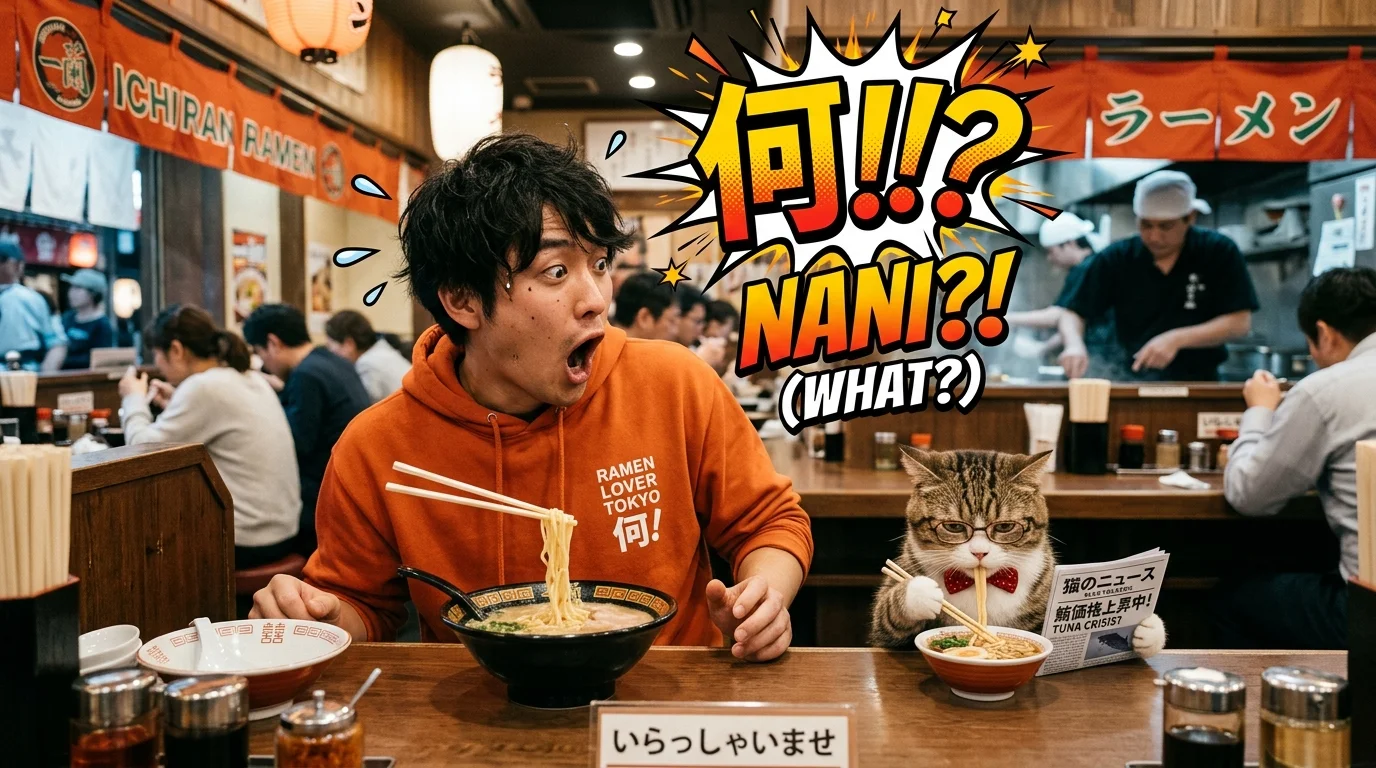
The word nani is a Japanese term that translates to:
- What?
- Huh?
- What did you say?
It is used when someone feels:
- Surprised
- Confused
- Shocked
- Curious
- Disbelieving
Example in Japanese
- “Nani?” = “What?”
- “Nani kore?” = “What is this?”
It is a normal and widely used Japanese word in everyday conversation.
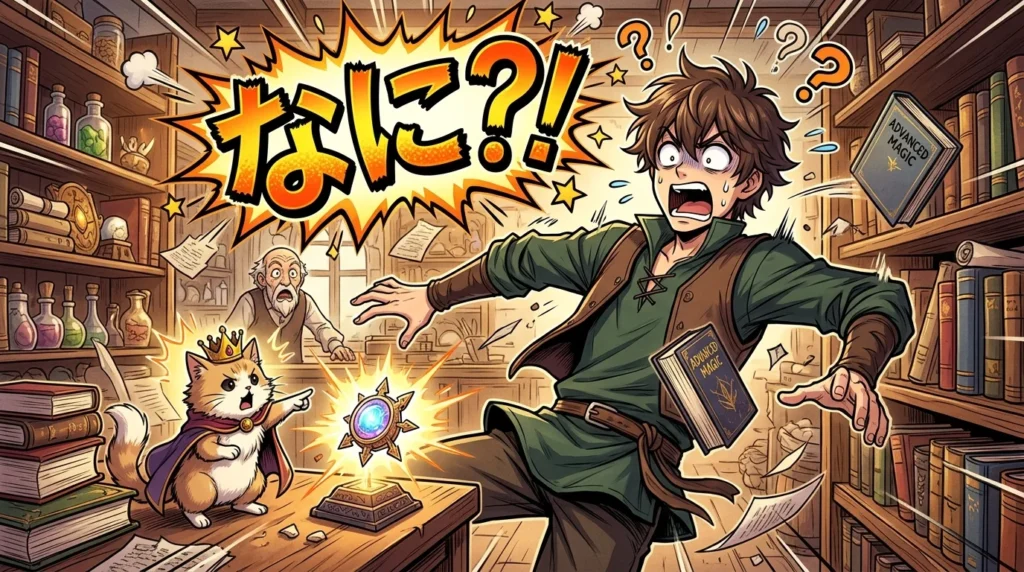
NANI Meaning in Anime
Anime made the word nani internationally famous.
In anime scenes, characters often shout “NANI?!” dramatically when:
- Something shocking happens
- They hear unexpected news
- An enemy becomes stronger
- A surprising twist appears
The exaggerated reactions made the phrase memorable and entertaining for viewers.
Why Did NANI Become a Meme?
The phrase became viral because anime often uses dramatic voice acting and emotional reactions.
Internet users began turning those moments into:
- Memes
- Reaction videos
- GIFs
- TikTok clips
- Comedy edits
The dramatic delivery of “NANI?!” became instantly recognizable online.
NANI Meaning in Internet Slang
In online slang, people use nani humorously to express:
- Confusion
- Shock
- Surprise
- Disbelief
Examples:
- “NANI?! That actually happened?”
- “Me after seeing my exam results: NANI?!”
Even people who do not speak Japanese often recognize the phrase because of anime culture.
Japanese Language and Cultural Context
In Japan, nani is simply part of normal language.
However, tone and politeness matter.
Depending on the situation, people may use:
- Nani? (casual)
- Nan desu ka? (more polite)
Anime often uses exaggerated speech styles for entertainment, which can sound more dramatic than real-life conversation.
Anime’s Influence on Global Culture
Anime has strongly influenced:
- Internet memes
- Fashion
- Music
- Gaming culture
- Online humor
Words like:
- Nani
- Sugoi
- Kawaii
- Baka
have become recognizable worldwide because of anime popularity.
Why People Love Anime Expressions
Anime expressions are popular because they are:
- Emotional
- Funny
- Dramatic
- Easy to meme
- Highly recognizable
Fans often use anime phrases jokingly in daily conversations or online posts.
NANI and Online Communication
Modern internet culture often mixes languages and expressions from around the world.
People use phrases like nani to:
- React humorously
- Show fandom interest
- Express surprise creatively
Online culture constantly evolves through shared entertainment and memes.
The Emotional Power of Reactions
Reaction phrases like nani work because they communicate emotion quickly.
Strong reactions help people express:
- Shock
- Humor
- Excitement
- Curiosity
Digital communication often relies on short emotional expressions to make conversations more engaging.
The Importance of Respecting Cultures
While using anime phrases can be fun, it is important to respect the original culture and language behind them.
Japanese language and culture have rich traditions that go far beyond internet memes.
Learning respectfully helps build:
- Cultural appreciation
- Understanding
- Better communication
Common Situations Where NANI Is Used
People commonly use nani:
- While watching shocking videos
- During gaming moments
- In meme reactions
- In anime fan communities
- During surprising conversations
The phrase usually adds humor or dramatic emphasis.
Is NANI Offensive?
No, nani itself is not offensive.
It simply means “what?” in Japanese.
However, mocking cultures or using phrases disrespectfully can become inappropriate.
Using the word respectfully and playfully is generally harmless in online culture.
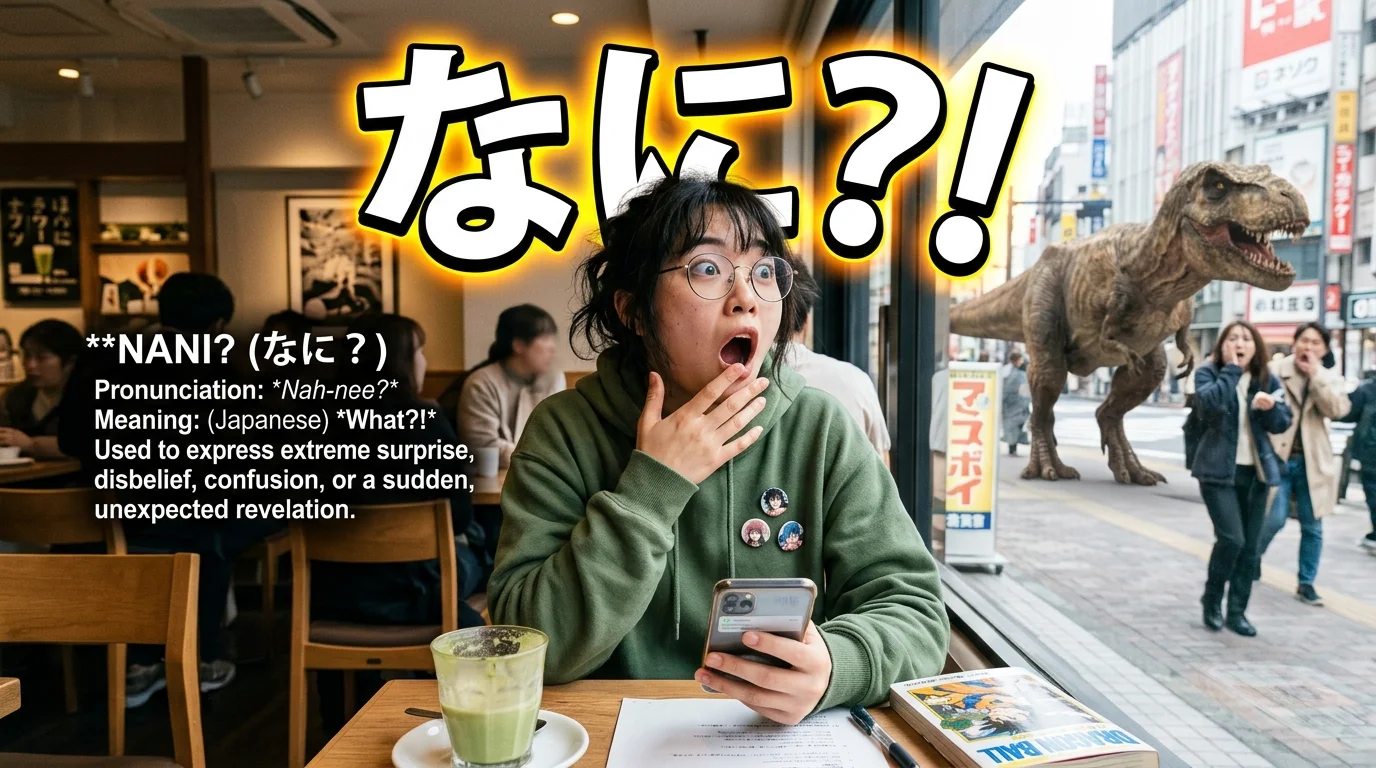
Anime and Emotional Storytelling
Anime often connects strongly with viewers because of:
- Emotional storytelling
- Dramatic reactions
- Character development
- Powerful visuals
Expressions like nani became iconic partly because anime emphasizes emotional intensity so effectively.
Communication in Modern Internet Culture
Internet slang continues evolving through:
- Anime fandoms
- Social media trends
- Gaming communities
- Viral memes