
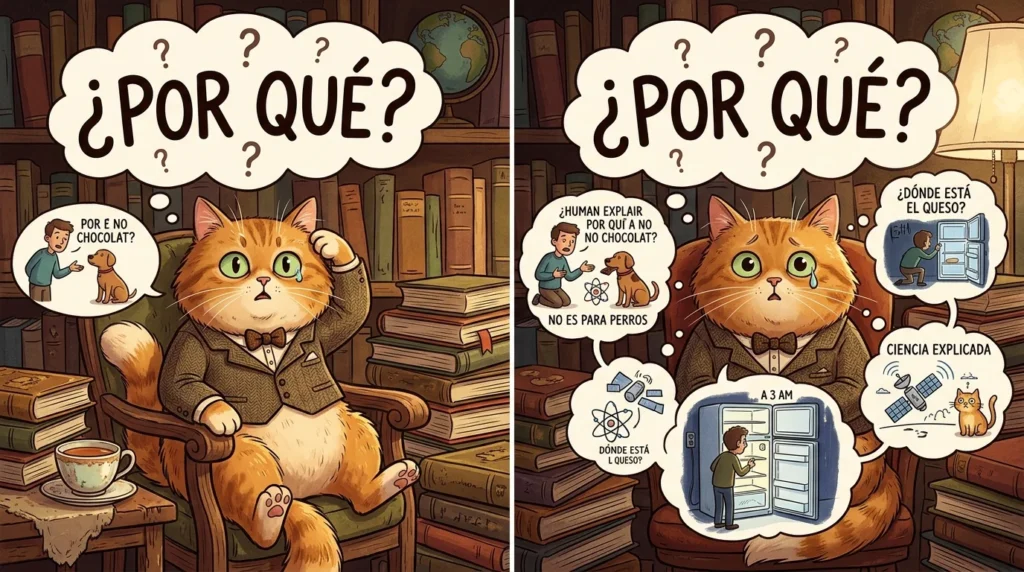
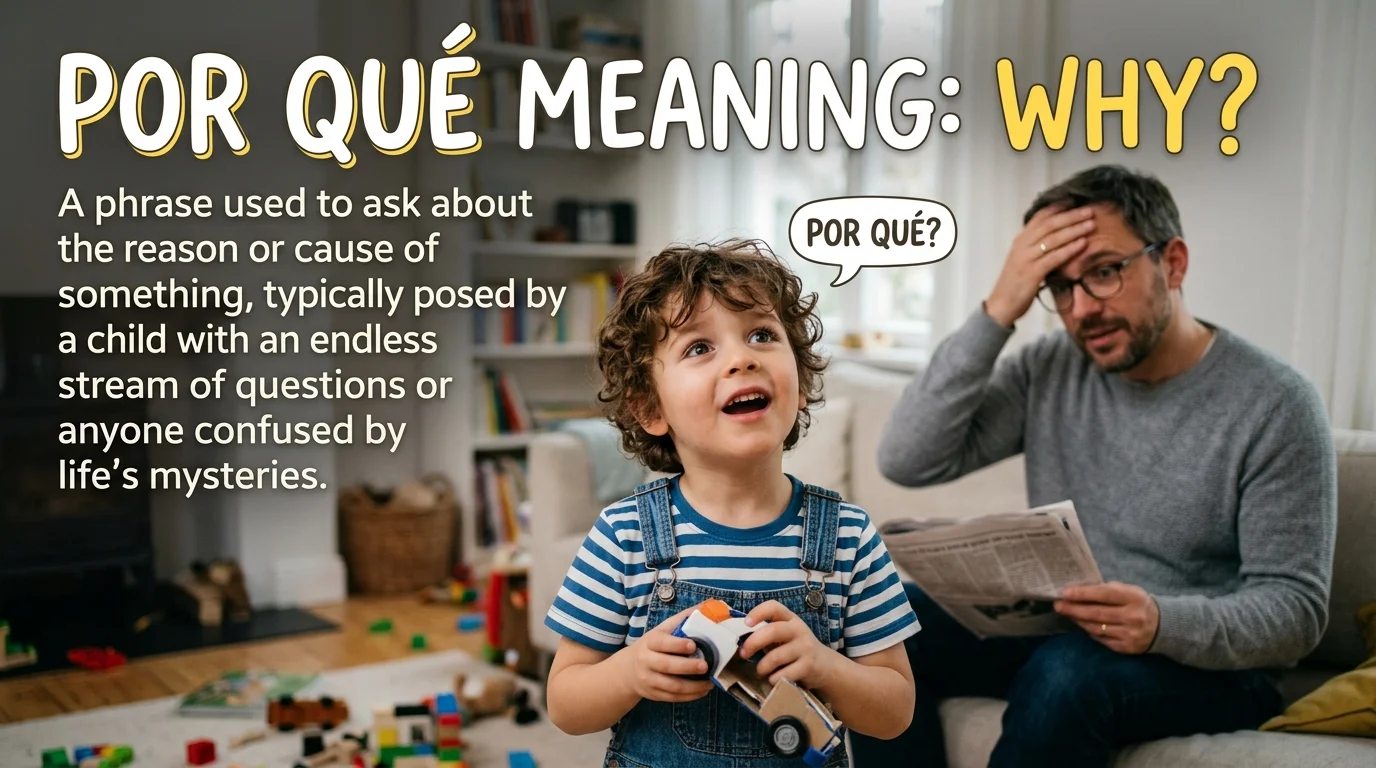
What Does “Por Qué Meaning”?
The phrase “Por Qué” (with accents) means:
- Why in English
It is used to ask questions about:
- Reasons
- Causes
- Explanations
Example:
- ¿Por qué estás triste?
→ Why are you sad?
How “Por Qué” Is Used in Spanish Questions
“Por Qué” is mainly used in interrogative sentences (questions).
Examples:
- ¿Por qué llegaste tarde?
→ Why did you arrive late? - ¿Por qué estudias español?
→ Why are you studying Spanish? - ¿Por qué no vienes?
→ Why aren’t you coming?
It always appears in questions, either spoken or written.
Difference Between Por Qué and Porque
One of the biggest confusions in Spanish is the difference between:
Por Qué (Why – question)
Used to ask a reason.
- ¿Por qué lloras?
→ Why are you crying?
Porque (Because – answer)
Used to give a reason.
- Porque estoy triste.
→ Because I am sad.
Simple Trick to Remember
- Por Qué = Question (Why?)
- Porque = Answer (Because)
This is the easiest way to avoid confusion.
Other Similar Forms
Spanish has four similar expressions:
1. Por Qué (Why – question)
- ¿Por qué estudias?
2. Porque (Because – explanation)
- Porque quiero aprender.
3. Por que (less common structure)
Used in formal grammar in specific cases.
4. Porqué (noun – reason)
- El porqué de la decisión
→ The reason for the decision
Why “Por Qué” Is Important in Spanish
“Por Qué” is essential because it helps you:
- Ask questions in daily conversation
- Understand native speakers
- Build proper sentences
- Improve fluency in Spanish
It is one of the first question words every learner studies.
Common Mistakes Learners Make
Many beginners confuse:
- spelling
- accent marks
- meaning differences
Common error:
- Using “porque” instead of “por qué” in questions
Correct usage depends on whether you are:
- Asking a question → por qué
- Giving an answer → porque
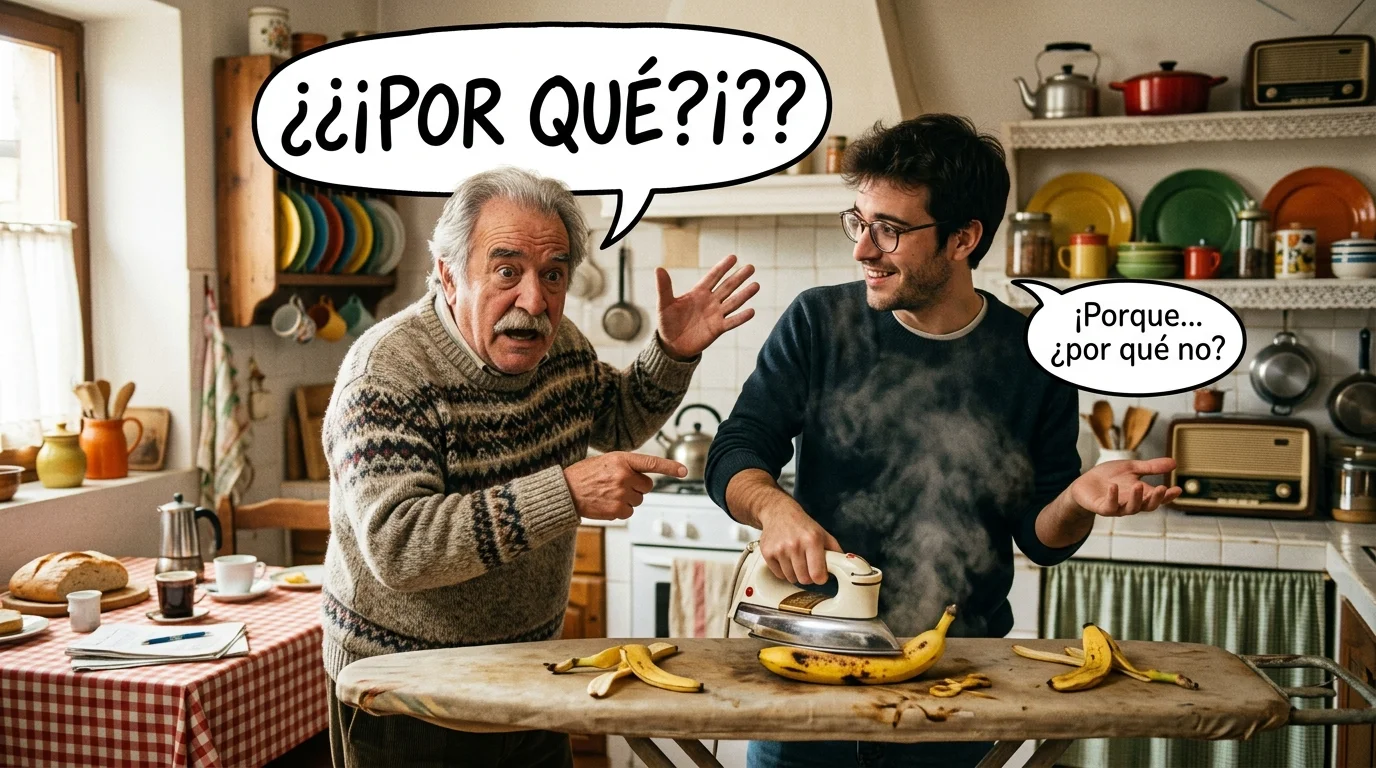
Everyday Examples of Por Qué
- ¿Por qué estás aquí? → Why are you here?
- ¿Por qué te gusta música? → Why do you like music?
- ¿Por qué no estudias? → Why don’t you study?
These are commonly used in daily Spanish conversations.
Importance in Learning Spanish Grammar
Understanding “Por Qué” helps you:
- Form correct questions
- Communicate naturally
- Understand native dialogue in movies or songs
- Improve reading and speaking skills
It is a foundation of Spanish interrogative grammar.