
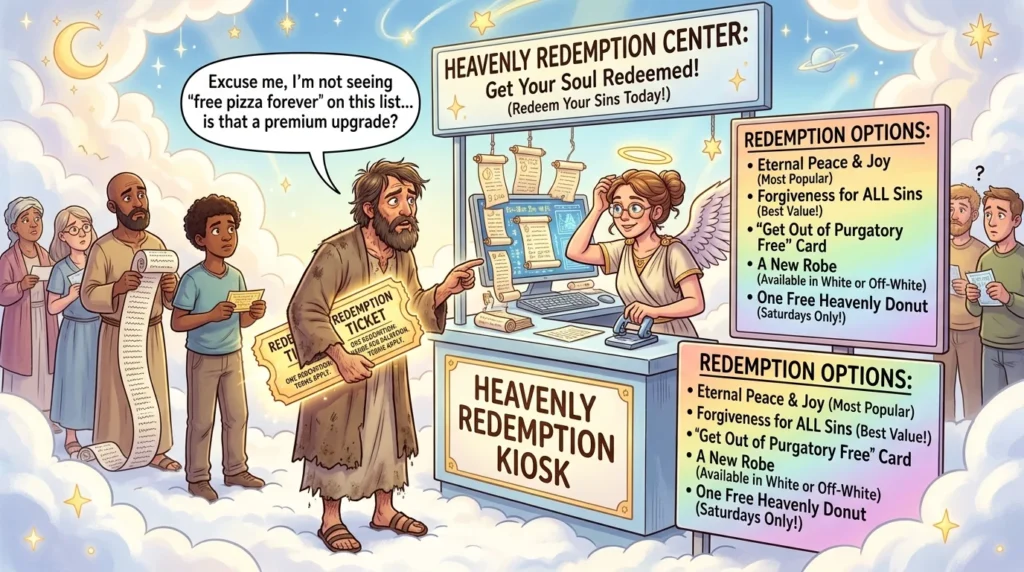
Spiritual Meaning of Redemption
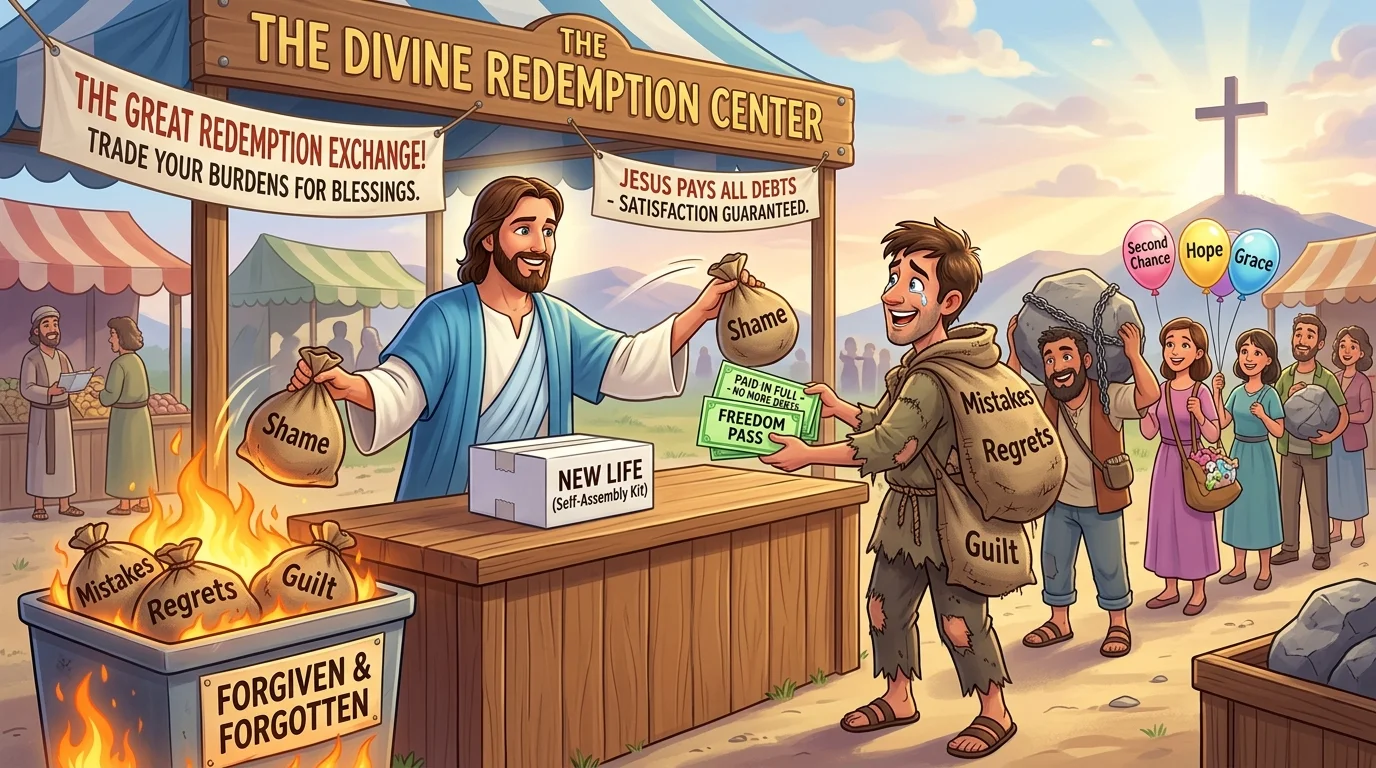
1. Freedom from Sin
Redemption brings:
- Spiritual freedom
- Forgiveness of sins
- Release from guilt and condemnation
2. Restoration of Relationship with God
Sin separates humanity from God, but redemption restores:
- Fellowship
- Peace with God
- Spiritual connection
3. New Life and Transformation
Redemption is not only forgiveness—it also involves:
- Spiritual renewal
- Changed hearts
- New purpose
4. Hope and Eternal Salvation
Through redemption, believers receive:
- Eternal hope
- Promise of salvation
- Assurance of God’s love
Bible Verses About Redemption
Colossians 1:13–14
“He has rescued us from the dominion of darkness… in whom we have redemption.”
This verse emphasizes:
- Deliverance from spiritual darkness
- God’s saving power
Psalm 107:2
“Let the redeemed of the Lord tell their story.”
Believers are encouraged to:
- Celebrate God’s deliverance
- Share testimonies of grace
Romans 3:23–24
“All are justified freely by His grace through the redemption that came by Christ Jesus.”
Redemption is presented as:
- A gift of grace
- Available through faith in Christ
Redemption Through Jesus Christ
The central message of Christianity is that:
- Jesus paid the price for humanity’s sins through His death and resurrection.
This act of redemption reflects:
- God’s mercy
- Sacrificial love
- Desire to restore humanity
John 3:16
“For God so loved the world that He gave His one and only Son…”
This verse summarizes:
- God’s redemptive plan for humanity
Examples of Redemption in the Bible
The Exodus from Egypt
God redeemed Israel from slavery in Egypt.
This symbolizes:
- Freedom from bondage
- God’s deliverance and protection
The Story of Ruth
Boaz acted as a “kinsman redeemer,” restoring and protecting Ruth.
This reflects:
- Restoration
- Compassion
- God’s provision
The Prodigal Son
The father’s forgiveness represents:
- Restoration after failure
- God’s welcoming grace
Why Redemption Matters Spiritually
1. It Reveals God’s Love
Redemption demonstrates:
- God’s compassion for humanity
2. It Brings Hope
Believers are reminded that:
- No life is beyond restoration
3. It Provides Spiritual Freedom
Redemption breaks:
- Bondage to sin
- Shame and guilt
4. It Creates New Purpose
Redeemed lives can:
- Grow spiritually
- Serve others
- Reflect God’s love
How Believers Respond to Redemption
Live with Gratitude
Redemption inspires thankfulness.
Walk in Faith
Believers are called to trust God daily.
Extend Grace to Others
Those who receive mercy should show mercy.
Pursue Spiritual Growth
Redemption begins transformation, not just forgiveness.

Spiritual Lessons About Redemption
God Restores What Is Broken
Redemption brings healing and renewal.
Grace Is Freely Given
Salvation is a gift, not earned by perfection.
Hope Exists Even After Failure
God’s mercy offers new beginnings.
Redemption Leads to Transformation
Faith changes hearts and lives over time.