
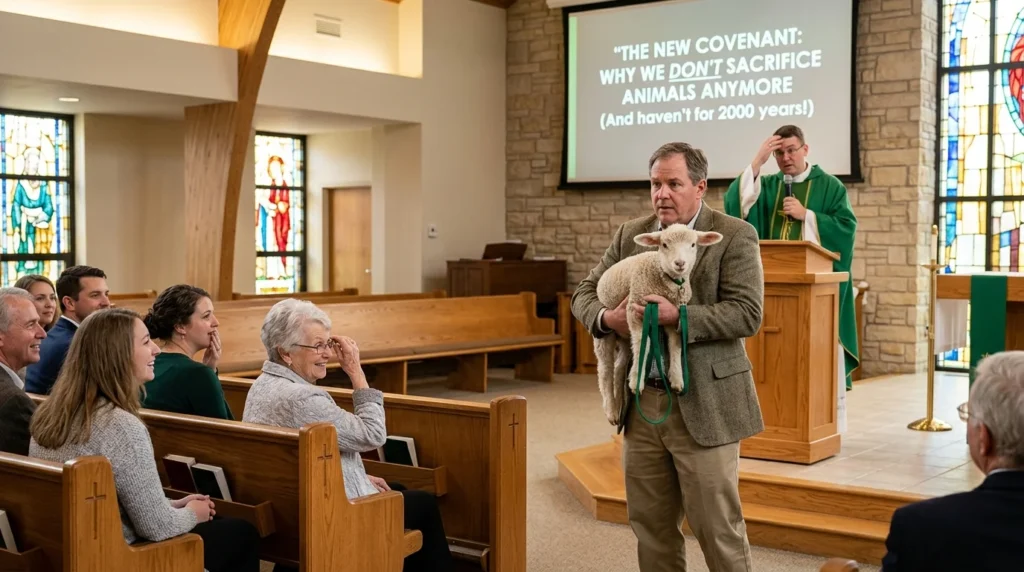
The topic of the role of animal sacrifice in Christianity is deeply connected to the history of the Bible, the Old Testament covenant, and the ultimate sacrifice of Jesus Christ. In ancient Israel, animal sacrifices were an important part of worship and were commanded under the Mosaic Law as acts of atonement, repentance, thanksgiving, and dedication to God.
For modern Christians, these sacrifices are understood not as ongoing religious requirements, but as symbolic practices that pointed forward to:
- Jesus Christ’s sacrifice on the cross
- Forgiveness of sins
- Restoration between God and humanity
What Was the Role of Animal Sacrifice in Christianity?
Animal sacrifice involved offering animals such as:
- Lambs
- Bulls
- Goats
- Doves
as part of worship to God in the Old Testament.
These sacrifices were performed:
- At the Tabernacle
- Later at the Temple in Jerusalem
They were carried out by priests according to God’s instructions in the Law of Moses.
Why Were Animal Sacrifices Performed?
Animal sacrifices served several purposes:
1. Atonement for Sin
Sacrifices symbolized:
- Repentance
- Seeking forgiveness
- Covering sin under the Old Covenant
Leviticus 17:11
“For the life of a creature is in the blood… it is the blood that makes atonement for one’s life.”
This verse highlights:
- The seriousness of sin
- The symbolic role of blood in atonement
2. Worship and Devotion
Some sacrifices expressed:
- Gratitude
- Praise
- Commitment to God
3. Fellowship with God
Sacrificial offerings symbolized:
- Reconciliation
- Restored relationship with God
Types of Sacrifices in the Old Testament
Burnt Offering
Symbolized:
- Complete dedication to God
Sin Offering
Focused on:
- Forgiveness and purification
Peace Offering
Represented:
- Fellowship and thanksgiving
Guilt Offering
Addressed:
- Specific wrongdoings and restitution
The Symbolism Behind Animal Sacrifice
Animal sacrifices symbolized:
- Innocence bearing the penalty of sin
- The cost of disobedience
- Need for purification and reconciliation
They pointed toward:
- God’s justice
- God’s mercy
The Connection to Jesus Christ
Christianity teaches that Old Testament sacrifices foreshadowed Jesus Christ.
Jesus is often called:
- “The Lamb of God”
John 1:29
“Behold, the Lamb of God, who takes away the sin of the world!”
This connects Jesus’ sacrifice to:
- The sacrificial system of the Old Testament
Jesus as the Final Sacrifice
Christians believe:
- Jesus’ death on the cross fulfilled the sacrificial system once and for all.
Hebrews 10:10
“We have been made holy through the sacrifice of the body of Jesus Christ once for all.”
This means:
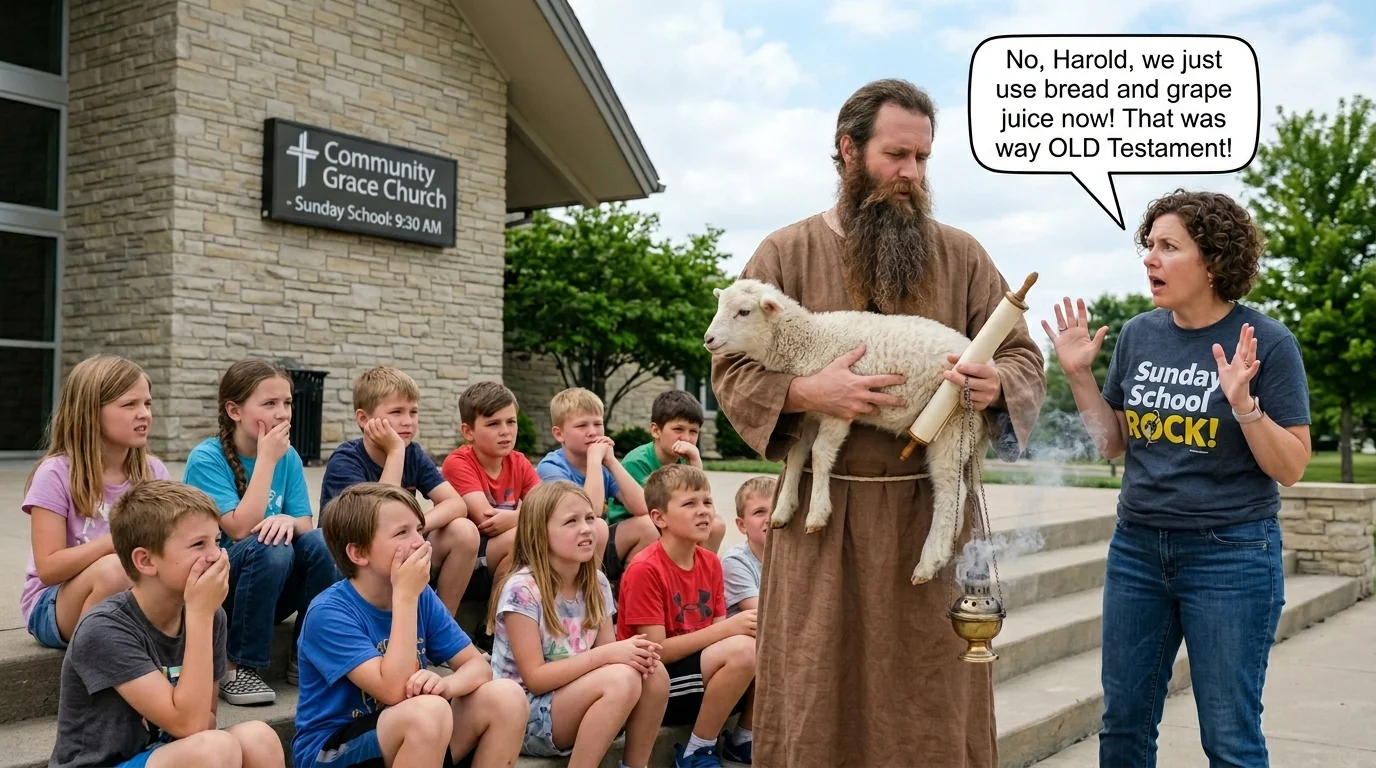
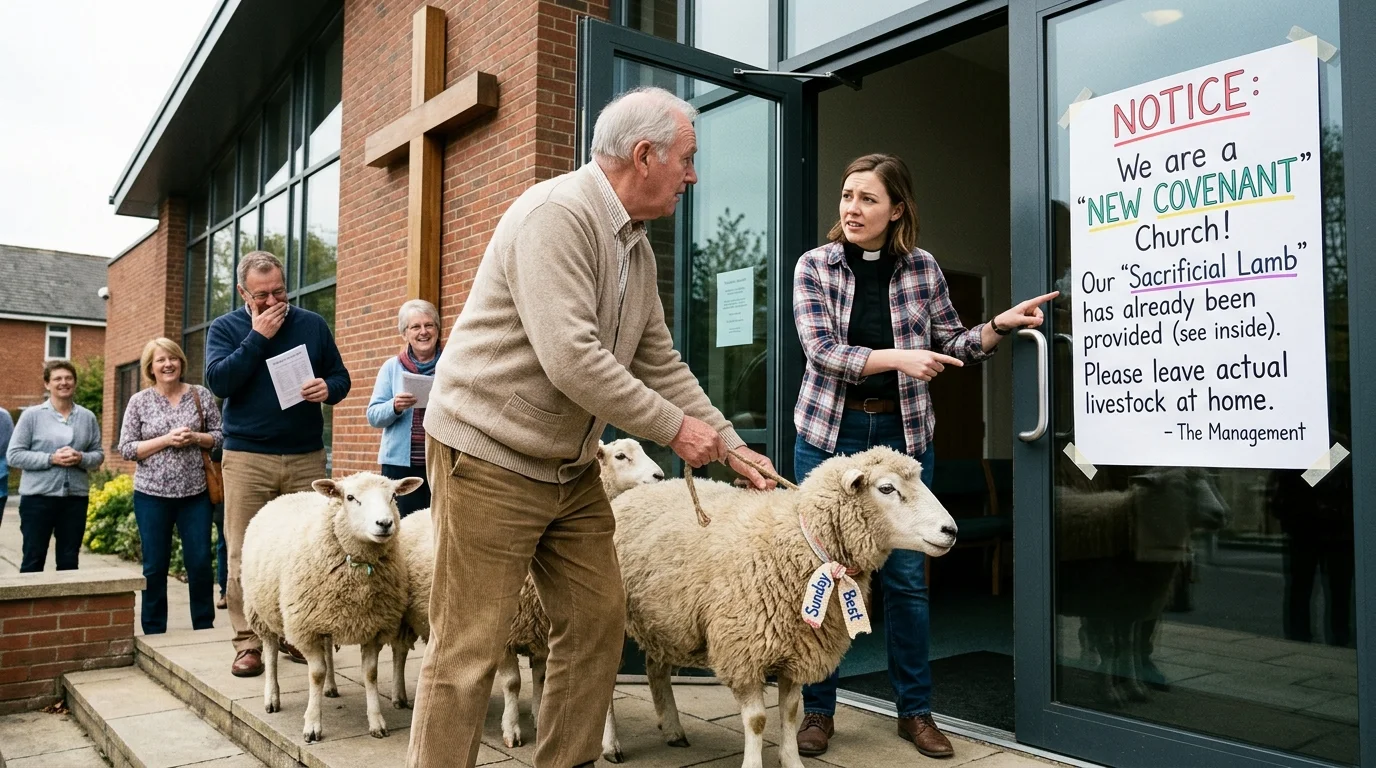
- Animal sacrifices are no longer necessary in Christianity
- Christ’s sacrifice is complete and sufficient
Why Christians No Longer Practice Animal Sacrifice
Under the New Covenant:
- Jesus fulfilled the requirement for sacrifice through His death and resurrection.
Christians now approach God through:
- Faith
- Prayer
- Grace through Christ
rather than temple sacrifices.
Spiritual Meaning for Christians Today
Although animal sacrifices are no longer practiced, they still teach important spiritual lessons.
1. The Seriousness of Sin
Sacrifice showed that:
- Sin has consequences
- Humanity needs forgiveness
2. God’s Mercy and Grace
Despite human failure, God provided a path toward reconciliation.
3. The Cost of Redemption
The sacrificial system points to:
- The sacrifice of Christ
- God’s love for humanity
4. Spiritual Dedication
Believers are now encouraged to offer:
- Their lives as living sacrifices through obedience and faith
Romans 12:1
“Offer your bodies as a living sacrifice, holy and pleasing to God.”
Common Misunderstandings
Animal sacrifices in the Bible were:
- Part of a specific covenant and historical context
- Not acts of cruelty for entertainment or violence
They had:
- Spiritual symbolism
- Religious significance within ancient Israelite worship
Spiritual Lessons from Animal Sacrifice
Holiness Matters
God calls people toward righteousness and repentance.
Forgiveness Is Costly
Redemption requires sacrifice and grace.
Jesus Fulfilled the Law
Christ’s sacrifice completed the Old Testament sacrificial system.
Worship Involves Commitment
Faith requires devotion, obedience, and gratitude.
Conclusion
The role of animal sacrifice in Christianity is rooted in the Old Testament system of worship, atonement, and reconciliation with God. These sacrifices symbolized the seriousness of sin and humanity’s need for forgiveness and restoration.
