

Spiritual Meaning of Understanding Covetousness in the Biblical Context
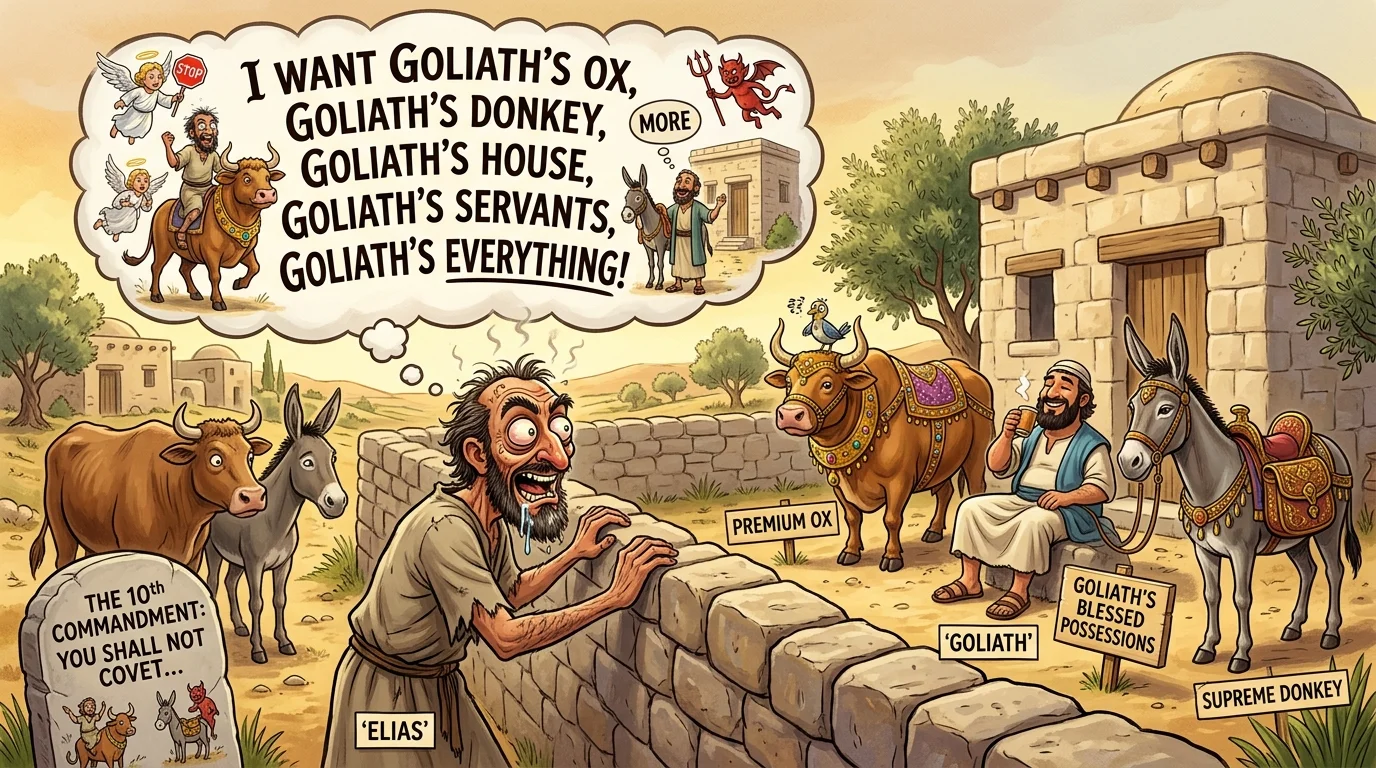
1. Distrust in God’s Provision
Covetousness often reflects:
- Dissatisfaction
- Lack of trust in God’s care and timing
2. Focus on Material Things
The Bible warns against making:
- Wealth
- Possessions
- Status
the center of life.
3. Root of Other Sins
Covetousness can lead to:
- Dishonesty
- Jealousy
- Conflict
- Exploitation
4. Idolatry of the Heart
Scripture sometimes describes greed as a form of idolatry because:
- Material desires replace devotion to God
Colossians 3:5
“Put to death… greed, which is idolatry.”
This verse highlights how dangerous uncontrolled desire can become spiritually.
Bible Verses About Covetousness
Luke 12:15
“Watch out! Be on your guard against all kinds of greed.”
Jesus teaches that:
- Life is not defined by possessions
- Spiritual priorities matter most
Hebrews 13:5
“Keep your lives free from the love of money and be content with what you have.”
This verse encourages:
- Contentment
- Trust in God’s presence and provision
1 Timothy 6:10
“The love of money is a root of all kinds of evil.”
The issue is not money itself, but:
- Unhealthy attachment and greed
Examples of Covetousness in the Bible
Achan (Joshua 7)
Achan secretly took forbidden treasure out of greed, leading to serious consequences.
Lesson:
- Covetousness harms both individuals and communities.
Judas Iscariot
Judas’ love of money contributed to betrayal.
Lesson:
- Greed can corrupt the heart spiritually.
King Ahab and Naboth’s Vineyard
Ahab coveted Naboth’s vineyard, leading to injustice and tragedy.
Lesson:
- Uncontrolled desire can lead to sinful actions.
Difference Between Healthy Desire and Covetousness
| Healthy Desire | Covetousness |
|---|---|
| Motivated by purpose | Motivated by envy |
| Trusts God’s timing | Demands immediate satisfaction |
| Appreciates blessings | Constant dissatisfaction |
| Honors others | Resents others’ success |
How to Overcome Covetousness
Practice Gratitude
Thankfulness weakens envy and greed.
Focus on Spiritual Priorities
The Bible encourages storing:
- Spiritual treasures rather than only earthly wealth
Trust God’s Provision
Faith helps believers avoid fear-driven greed.
Celebrate Others’ Blessings
Joy for others helps overcome jealousy.
Live Generously
Giving helps break attachment to materialism.
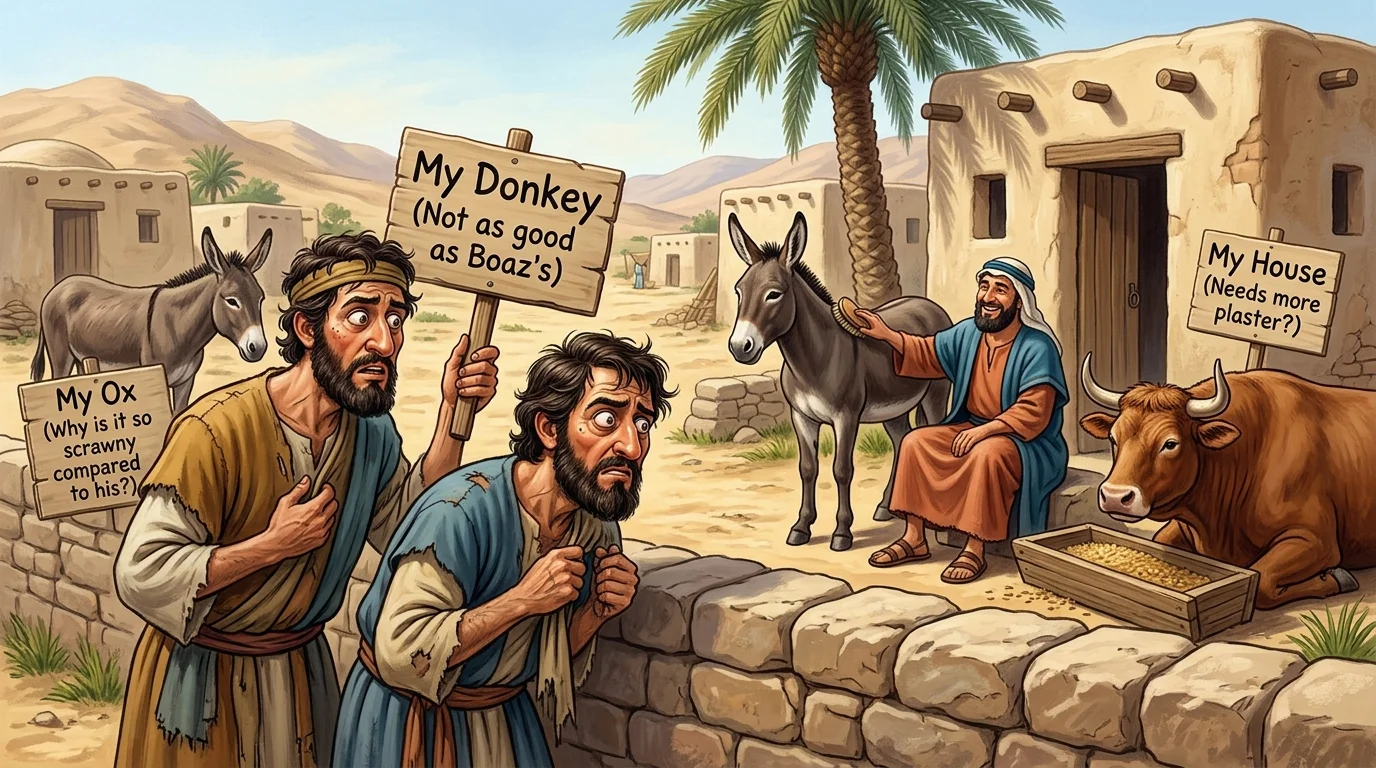
Spiritual Lessons About Covetousness
The Heart Matters to God
Inner desires shape outward behavior.
Contentment Brings Peace
True peace does not come from possessions.
Greed Never Fully Satisfies
Material desires alone cannot fulfill the soul.
God Desires Trust and Gratitude
Faith grows when believers trust God’s provision.